How Crypto Twitter Shapes Market Narratives, And Who Actually Influences Them in 2026

Introduction: Why Crypto Twitter Still Matters in 2026
Despite the fragmentation of social platforms and the rise of private communities, Twitter (X) continues to function as crypto’s primary public coordination layer. Market sentiment forms there first. Narratives emerge there before they appear in research reports, funding announcements, or governance forums.
For traders, founders, and ecosystem operators, Crypto Twitter is not simply a news feed. It is a real-time signal network where ideas are tested, challenged, amplified, or discarded within hours.
Understanding who consistently shapes those conversations, and why their voices carry weight, matters far more than following accounts for reach alone. This article focuses on individuals whose influence is rooted in ideas, capital allocation, protocol design, or narrative framing, not virality.
Crypto Twitter as a Market Infrastructure Layer
Crypto Twitter functions less like social media and more like an open intelligence layer for Web3. Protocol upgrades, governance disputes, regulatory interpretations, macro correlations, and even memetic capital flows often surface there first.
Unlike closed research platforms, Twitter allows ideas to be stress-tested publicly. Incorrect assumptions are challenged quickly. Weak narratives decay. Strong ones propagate. Influence, therefore, is earned through consistency, insight, and credibility, not follower count alone.
Individuals Who Consistently Shape Crypto Discourse
Balaji Srinivasan
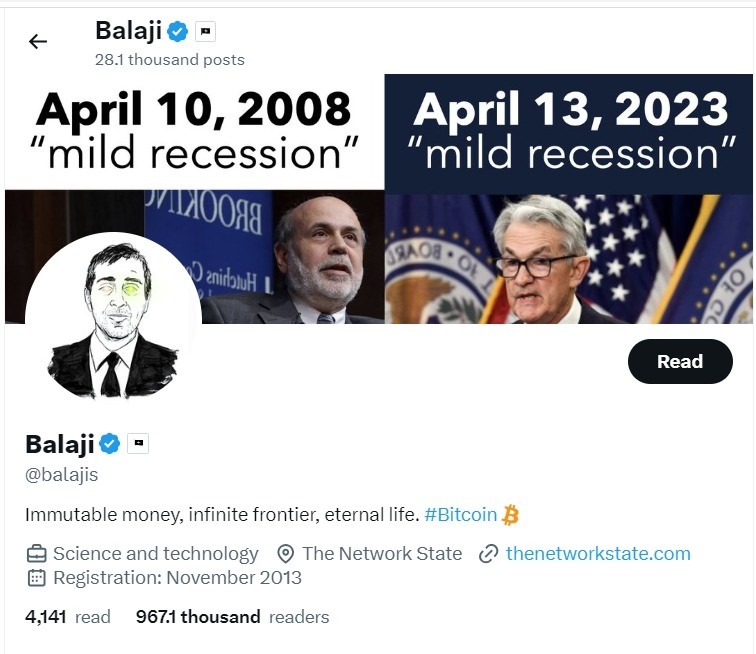
Balaji operates at the intersection of technology, geopolitics, and monetary systems. His writing tends to extend beyond price action into long-term structural shifts, state capacity, decentralization, and networked governance.
Following Balaji is less about short-term signals and more about understanding how crypto fits into broader societal and institutional change.
Elon Musk

Elon’s relationship with crypto has matured significantly since earlier market cycles. While his tweets no longer trigger the same reflexive volatility, his commentary still influences public perception around Bitcoin, Dogecoin, and the cultural framing of decentralization.
His relevance lies not in technical depth, but in narrative reach, how crypto intersects with mainstream technology, manufacturing, and infrastructure.
Erik Voorhees
Erik remains one of the most ideologically consistent voices in crypto. His commentary focuses on sovereignty, permissionless finance, and the philosophical foundations of decentralized systems.
He is particularly valuable for readers interested in the long-term ethical and economic implications of crypto rather than short-term trends.
Vitalik Buterin

Vitalik’s Twitter presence functions almost like an open research log. He regularly shares thoughts on Ethereum’s roadmap, cryptoeconomics, governance design, and unintended system incentives.
For anyone seeking signal over noise, his posts offer rare insight into how foundational protocol decisions are reasoned through in public.
Roger Ver

Roger remains a polarizing but historically significant figure. His advocacy around Bitcoin Cash and transaction utility continues to shape discussions on scalability, user adoption, and economic throughput.
While opinions around him vary, his contributions reflect early debates that still resurface in newer ecosystems.
Chris Dixon

Operating under the handle cdixon.eth, Chris represents the venture capital perspective on Web3 infrastructure. His commentary often connects protocol innovation with developer incentives, distribution models, and long-term adoption curves.
His insights are particularly relevant for founders navigating funding environments and ecosystem positioning.
Marc Andreessen

Marc’s influence lies in capital allocation and macro-level thinking. His tweets often contextualize crypto within broader technological shifts, regulatory dynamics, and historical patterns of innovation.
He is less reactive than most and provides a longer time horizon for interpreting market cycles.
Paul Graham
Paul Graham’s relevance to crypto is indirect but meaningful. His reflections on startups, incentives, and innovation cycles often map cleanly onto Web3 projects.
For builders, his perspective helps translate crypto-native ideas into sustainable organizational models.
Laura Shin

As an independent journalist, Laura Shin plays a critical role in separating verified information from speculation. Her interviews and commentary provide context that is often missing from reactive market discourse.
She is especially valuable during periods of controversy, protocol failures, or regulatory scrutiny.
CryptoWendyO
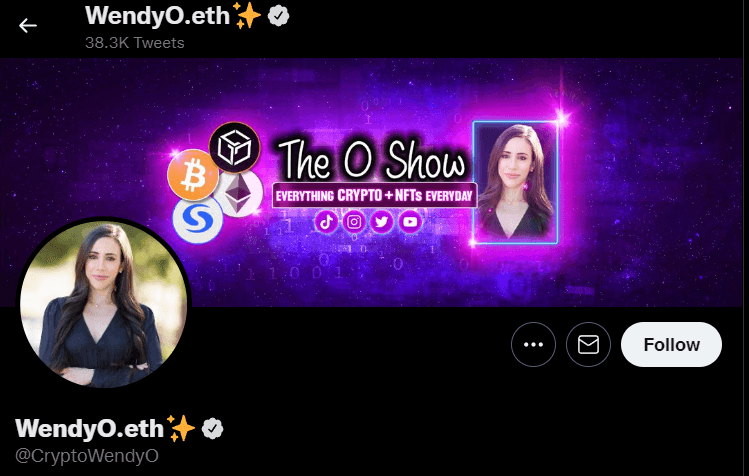
CryptoWendyO represents the practitioner side of Crypto Twitter. Her focus on technical analysis, risk management, and market structure appeals to active traders rather than narrative speculators.
She contributes practical insight grounded in execution, not theory.
How to Interpret Influence on Crypto Twitter
Not all influence is equal. Some accounts shape ideas, others shape capital flow, and a few shape culture itself. The most valuable approach is not passive consumption, but contextual reading, understanding why a perspective exists and who it serves.
For brands, founders, and protocols, this distinction is critical. Aligning with the wrong narrative layer often results in visibility without credibility.
Conclusion: Influence as Signal, Not Amplification
In 2026, Crypto Twitter remains essential, not because it is loud, but because it is fast, adversarial, and public. The individuals highlighted here matter not because they dominate timelines, but because their ideas consistently shape how the industry interprets itself.
For Web3 operators, marketers, and builders, understanding this landscape is less about following accounts and more about reading the system intelligently.
FAQs
Is Twitter still relevant for crypto in 2026?
Yes. While private platforms have grown, Twitter remains the primary public arena where narratives form and are contested in real time.
Should brands engage directly with crypto influencers?
Only when alignment exists at the narrative and value level. Visibility without credibility often backfires.
Are follower counts still a reliable metric of influence?
Not on their own. Consistency, historical accuracy, and network respect matter more.
How can founders use Crypto Twitter effectively?
By listening more than posting, engaging thoughtfully, and avoiding reactive positioning.
Is Crypto Twitter useful for long-term investors?
Yes, particularly for identifying emerging themes before they reach mainstream analysis.
Does influence change across market cycles?
Absolutely. Some voices gain relevance during volatility, others during infrastructure-building phases.
